Mostrando postagens com marcador Conselho da Europa. Mostrar todas as postagens

quarta-feira, 5 de setembro de 2018

Seminário Internacional: Prof. Mark Hill QC (19 Set 2018)


Seminário Internacional com o Prof. Mark Hill

"Religious Liberty in the United Kingdom"

O evento ocorrerá no dia 19 de setembro de 2018, a partir das 16h30, na Faculdade de Direito - Sala dos Professores.

Interessados em participar poderão se inscrever gratuitamente AQUI.

Evento gratuito. Vagas limitadas!

O seminário será exclusivamente em língua inglesa.

Sobre o palestrante:

Mark Hill QC is a British Professor and Barrister. He has represented clients in UK Supreme Court and European Court of Human Rights. He is a recorder on the Midland Circuit (sitting in criminal, civil and family cases) and Deputy Judge of Upper Tribunal, Immigration and Asylum Chamber. He sits as judge in ecclesiastical courts of the Church of England and is Visiting Professor at Cardiff University’s Centre for Law and Religion (United Kingdom), at University of Pretoria in South Africa, and at the Dickson Poon School of Law at King’s College, London, and formerly a Visiting Fellow at the Univesity of Cambridge. Publications include Magna Carta, Religion and the Rule of Law, Religion and Law in the United Kingdom, Religion and Discrimination Law in the European Union, Ecclesiastical Law, Religious Liberty and Human Rights, and English Canon Law. He is a Consultant Editor of the Ecclesiastical Law Journal and a member of the Editorial Boards of the Oxford Journal of Law and Religion and the Revista General de Derecho Canónico y Derecho Eclesiástico del Estado. He is Ecumenical Fellow in Canon Law at the Venerable English College in Rome, and a former President of the European Consortium for Church and State Research. He is an accredited mediator, current co-chair, and a founder of BIMA, a charity which promotes faith-based mediation.

Realização:
Centro Brasileiro de Estudos em Direito e Religião - CEDIRE (FADIR/UFU)

Apoio:
Programa de Mestrado em Direito (FADIR/UFU)

Observação:
Programação sujeita a alterações.

Contato:
contato@direitoereligiao.org

Encontre-nos no Facebook:
https://www.facebook.com/direitoereligiaoufu/posts/1972467362820310

quarta-feira, 17 de junho de 2015

Resolution 2036 (2015): Tackling intolerance and discrimination in Europe with a special focus on Christians

Resolution 2036 (2015)
Final version

Author(s): Parliamentary Assembly - Council of Europe

Origin: Assembly debate on 29 January 2015 (8th Sitting) (see Doc. 13660, report of the Committee on Equality and NonDiscrimination, rapporteur: Mr Valeriu Ghiletchi). Text adopted by the Assembly on 29 January 2015 (8th Sitting).


Tackling intolerance and discrimination in Europe with a special focus on Christians

1.  Intolerance and discrimination on grounds of religion or belief affect minority religious groups in Europe, but also people belonging to majority religious groups. Numerous acts of hostility, violence and vandalism have been recorded in recent years against Christians and their places of worship, but these acts are often overlooked by the national authorities. Expression of faith is sometimes unduly limited by national legislation and policies which do not allow the accommodation of religious beliefs and practices.

2.  The reasonable accommodation of religious beliefs and practices constitutes a pragmatic means of ensuring the effective and full enjoyment of freedom of religion. When it is applied in a spirit of tolerance, reasonable accommodation allows all religious groups to live in harmony in the respect and acceptance of their diversity.

3.  The Parliamentary Assembly has recalled on several occasions the need to promote the peaceful coexistence of religious communities in the member States, notably in Resolution 1846 (2011) on combating all forms of discrimination based on religion, Recommendation 1962 (2011) on the religious dimension of intercultural dialogue and Resolution 1928 (2013) on safeguarding human rights in relation to religion and belief, and protecting religious communities from violence.

4.  Freedom of thought, conscience and religion is protected by Article 9 of the European Convention on Human Rights (ETS No. 5) and considered as one of the foundations of a democratic and pluralist society. Limitations to the exercise of freedom of religion must be restricted to those prescribed by law and necessary in a democratic society.

5.  The Assembly is convinced that measures should be taken to ensure the effective enjoyment of the protection of freedom of religion or belief afforded to every individual in Europe.

6.  The Assembly therefore calls on the Council of Europe member States to:

6.1. promote a culture of tolerance and “living together” based on the acceptance of religious pluralism and on the contribution of religions to a democratic and pluralist society, but also on the right of individuals not to adhere to any religion;

6.2. promote reasonable accommodation within the principle of indirect discrimination so as to:

6.2.1. ensure that the right of all individuals under their jurisdiction to freedom of religion and belief is respected, without impairing for anyone the other rights also guaranteed by the European Convention on Human Rights;

6.2.2. uphold freedom of conscience in the workplace while ensuring that access to services provided by law is maintained and the right of others to be free from discrimination is protected;

6.2.3. respect the right of parents to provide their children with an education in conformity with their religious or philosophical convictions, while guaranteeing the fundamental right of children to education in a critical and pluralistic manner in accordance with the European Convention on Human Rights, its protocols and the case law of the European Court of Human Rights;

6.2.4. enable Christians to fully participate in public life;

6.3. protect the peaceful exercise of freedom of assembly, in particular through measures to ensure that counter-demonstrations do not affect the right to demonstrate, in line with the guidelines on freedom of assembly, of the European Commission for Democracy through Law (Venice Commission) and the Office for Democratic Institutions and Human Rights of the Organization for Security and Co-operation in Europe (OSCE/ODIHR);

6.4. uphold the fundamental right to freedom of expression by ensuring national legislation does not unduly limit religiously motivated speech;

6.5. publicly condemn the use of and incitement to violence, as well as all forms of discrimination and intolerance on religious grounds;

6.6. combat and prevent cases of violence, discrimination and intolerance, in particular by carrying out effective investigations in order to avoid any sense of impunity among the perpetrators;

6.7. encourage the media to avoid negative stereotyping and communicating prejudices against Christians, in the same way as for any other group;

6.8. ensure the protection of Christian minority communities and allow such communities to be registered as a religious organisation, and to establish and maintain meeting places and places of worship, regardless of the number of believers and without any undue administrative burden;

6.9. guarantee the enjoyment by Christian minority communities of the right to publish and use religious literature.


quinta-feira, 3 de julho de 2014

Caso S.A.S. v. França (Processo n. 43835/11) Julgamento pelo Tribunal Pleno - CEDH


Em primeiro de julho de 2014, o Tribunal Europeu dos Direitos Humanos, reunido em sessão plenária, proferiu a sentença no caso do SAS v França.

O caso teve origem em uma demanda contra a República Francesa apresentada ao Tribunal nos termos do artigo 34 da Convenção para a Protecção dos Direitos Humanos e das Liberdades Fundamentais, por uma nacional francesa, em 11 de abril de 2011.

A Requerente se queixou de que a proibição do uso de roupas que cobrem o rosto em lugares públicos, introduzida pela Lei n. 2010-1192, de 11 de outubro de 2010, privou-a da possibilidade de usar o véu islâmico em público. Ela alegou que houve uma violação dos artigos 3, 8, 9, 10 e 11 da Convenção, tomados separadamente e em conjunto com o artigo 14 da Convenção.

O Tribunal decidiu, por quinze votos a dois, que não houve violação dos artigos 8 e 9 da Convenção Europeia de Direitos Humanos, e manteve, por unanimidade, que não houve violação do artigo 14 e que nenhuma questão separada decorre o artigo 10 da Convenção, considerados isoladamente ou em conjunto com o artigo 14 da Convenção.

Para ler o Julgamento e o Voto Dissidente, clique aqui.


CASE OF S.A.S. v. FRANCE (Application no. 43835/11) Grand Chamber Judgement


In 1 July 2014, the European Court of Human Rights, sitting as a Grand Chamber, delivered the judgment in the case of S.A.S. v. France.

The case originated in an application against the French Republic lodged with the Court under Article 34 of the Convention for the Protection of Human Rights and Fundamental Freedoms by a French national, on 11 April 2011.

The applicant complained that the ban on wearing clothing designed to conceal one’s face in public places, introduced by Law no. 2010-1192 of 11 October 2010, deprived her of the possibility of wearing the full-face veil in public. She alleged that there had been a violation of Articles 3, 8, 9, 10 and 11 of the Convention, taken separately and together with Article 14 of the Convention.

The Court held, by fifteen votes to two, that there has been no violation of Articles 8 and 9 of the European Convention of Human Rights, and held, unanimously, that there has been no violation of Article 14 and that no separate issue arises under Article 10 of the Convention, taken separately or together with Article 14 of the Convention.

To read the Judgement and the Dissenting Opinion, click here.


quinta-feira, 5 de dezembro de 2013

S.A.S. v. France: A short summary of an interesting hearing

NOVEMBER 29, 2013

by Saïla Ouald Chaib

On Wednesday, our research team attended the Grand Chamber hearing at the European Court of Human Rights in the case of S.A.S. v. France, in which we submitted a third party intervention on behalf of the Ghent University Human Rights Centre. The case concerns the French law banning the face veil, a highly debated piece of legislation, which was also obvious from the amount of international press covering the hearing. I will first briefly discuss the content of our third-party intervention and then turn to a summary of the hearing which left a positive impression on us.

Third party intervention of the Ghent HRC in the case of S.A.S.

At the time when the French and Belgian legislation banning the face veil was enacted, no empirical evidence on women wearing a face veil was available. These laws were thus mainly based on mere assumptions. We were of the opinion that the findings of the empirical research conducted by Prof. Eva Brems, dr. Jogchum Vrielink and myself, and the research of our colleagues in France, Denmark, the UK and the Netherlands, who came to similar conclusions, would enable the Court to assess the human rights impact of the face veil bans in a more adequate way. The integral text of our intervention can be found here. We concluded from our empirical research that bans on face coverings are partly based on erroneous assumptions: they do not actually serve their stated purpose, they are disproportionate and they deny procedural justice. We argued that bans of this kind do not only restrict freedom of religion and the private life of the women concerned but are also clearly discriminatory. We also asked the Court to take into account that these kind of bans target a vulnerable group consisting of a minority within a minority and that this legislation is based on harmful stereotypes and stigmas. We also asserted that this kind of legislation should be seen in the context of hostility and discrimination of Muslims in Europe as is documented in various reports of NGO’s and European institutions.

Background of the case

On the day the French ban on full face veiling came into force, S.A.S., a 23 year old French citizen, filed an application against France to challenge the ban. She argued that as a woman wearing a face veil, the ban constitutes a violation of her right to private life, freedom of religion, freedom of expression and her right not to be discriminated against. The Chamber relinquished jurisdiction of the case to the Grand Chamber. In addition to our Human Rights Centre, Amnesty international, Liberty, Soros foundation and Article 19 submitted written observations in the case as third party interveners. Also the Belgian State, the only country apart from France having a ban on face veils, intervened in the Grand Chamber procedure and was allowed to make oral observations during the hearing.

The lawyers informed the Court that although the applicant wished to be present during the hearing, she did not come because of the publicity around the topic and because of the ban in force. Indeed, since Strasbourg is a French city, being present at the hearing would have required the applicant to remove her veil on the way to the Court, otherwise she would be infringing the law and risking a fine.

Arguments of the parties

The agent of France first contested the admissibility of the case, claiming that the applicant did not exhaust domestic remedies and that she cannot claim to be a victim under the Convention since she filed her complaint on the day the law came into force without having experienced direct consequences of the ban at that time. The applicant’s lawyer replied that, since the contested law is unquestionably applicable to her, it cannot be expected that the applicant should first have gone through prosecution by the French authorities before being able to file a complaint before the Strasbourg Court.

Regarding the merits, the agent of the French government started by stressing the general formulation of the legislation, stating that no specific garment is mentioned in the law, neither a specific religion. Nonetheless the government accepted that the law could lead to an interference with the freedom of religion when a face covering attire is worn out of religious reasons. The government subsequently argued, for the reasons mentioned bellow, that they had not exceeded their margin of appreciation and that the law and the sanctions are proportionate to the aims pursued.

First of all, France argues that individuals should be “identifiable when required” in order to avoid identity fraud and to protect the security of individuals and property. A second aim invoked by the government, and clearly the most important one, is the aim concerning “the minimal requirements for living in a society”. The French agent explained that the ban aims at preserving relations between human beings, the so-called “vivre ensemble” and that individuals are required in the public space to interrelate with one another. The French Government further stated that it values the expression of religious diversity in the public sphere, but that this must be compatible with principle of ‘secularist pluralism’. Finally, France argued that the ban aims at preserving equality between men and women and at defending the dignity of human beings.

As to the right to private life, France argued that the ban concerns the public space and not the private sphere and that it does not see how the ban could affect aspects of private life such as the right to privacy and physical integrity. Concerning the discrimination claim, France argued that the ban is not discriminatory on the basis of gender, on the contrary, it aims to fight gender discrimination. Neither did it consider that the law discriminates Muslims, since the face veil is not a widely accepted practice within the Muslim community.

The lawyers of S.A.S. on the other side argued that the ban on face veils is disproportionate and advocated for a narrow margin of appreciation in the matter. They maintained that in order to ensure proportionality, the Court should consider the legitimacy of the state’s assumptions instead of granting them a wide margin of appreciation. Accepting a wide margin would, according to the applicant’s lawyers, entail a danger that “the fear of majorities would overrule the rights and freedoms of minorities”. Concretely, they argued that, since the law concerns an intimate aspect of one’s identity and since women wearing a face veil are part of a small vulnerable group that was hardly consulted on the matter, the Court should not accord a wide margin of appreciation to the State. The lawyers also contested that the law does not aim to target Muslim women wearing the full face veil. They argue that though neutral on its face, the law has a disparate impact on Muslim women. Therefore they allege a violation of article 14 of the Convention, stating that the ban discriminates Muslim women on the basis of their gender, ethnicity and religion. In conclusion the applicant’s attorney said that the ban consists of a “disproportionate measure towards a disadvantaged minority group with no evidence of a threat to social order, equality, liberty or fraternity” and that the ban only aims at offering comfort to the majority.

In the second part of their oral observations the applicant’s lawyers confronted us with the absurdity of the ban. They referred to the exceptions on the ban where covering the face is still allowed. People are allowed to cover their face during festivities, “for party reasons” such as at “le Carnaval de Paris“, while the applicant is not allowed to cover her face for religious reasons. The law also foresees an exception for covering the face in places of worship such as mosques. However, this would mean that the applicant would offend the law as soon as she opens her front door, until she reaches the door of her mosque. The lawyer also referred to the willingness of the applicant to compromise. She is willing for example to uncover her face when needed for identification. Finally, the applicant’s attorney pointed to the “perverse effect” of the law, arguing that the law led to more hostility and intolerance against women wearing a face veil.

Judges ask pertinent questions

A very interesting part of the hearing was the part where the judges asked questions to the parties. The French Judge, André Potocki, first asked to the applicant what would be, according to them, a less restrictive measure instead of the current general ban. He further asked the French government whether, in light of the aim of public safety, a general ban would not be disproportionate. A next question asked both by Judge Potocki and Judge Møse, concerned the aim of “the minimal requirements for living in a society”. They asked how the government would situate this aim, within the list of legitimate aims mentioned under paragraph 2 of article 9. Another question concerned the concept of human dignity. The French judge asked whether it is up to the state to say that a behavior that is adopted freely goes against the dignity of that person. And he also asked France to explain how a face veil would affect the dignity of people who come into contact with women wearing a face veil, as France argued. Judge Møse further asked whether the findings concerning tensions that women wearing a face veil nowadays encounter is not contradictory to the aim of social cohesion. Judge Nussberger finally asked whether in case the applicant would wear a veil of a finer material with which her facial features would be recognizable as she herself proposes as a matter of compromise, whether that behavior would be covered by the ban.

We left the hearing in a positive spirit. Not because we think that the outcome in this case will be positive -we can fairly say that the outcome is totally unpredictable— but because, following the questions asked by the judges we are hopeful that finally the issue of the full facial veil will, during the deliberations, be discussed in a thorough manner from a human rights perspective. We realize that this is not an easy issue to deal with. It led to huge discussions in the political and societal sphere, discussions that were very often one-sided and stigmatizing. When we assume that a face veil is imposed on women, it is just absurd to fine them and thus punish them with the aim of protecting them. This would be a case of domestic violence for which other legal tools already exist. But if we look at the issue from the perspective of women who choose to wear a face veil, such as Mrs. S.A.S. and the women mentioned in the French, Danish, Dutch and our Belgian research, the question that should be asked is whether the general public’s discomfort with- or fear of face veils or of the women wearing them justifies infringing these women’s fundamental human rights. Now it’s up to the Court to answer that question

Source: http://strasbourgobservers.com/


sábado, 14 de setembro de 2013

Relinquishment to the Grand Chamber of a case concerning the wearing of the burka in public places in France

ECHR 165 (2013)
30.05.2013

The Chamber of the European Court of Human Rights to which the application S.A.S. v. France (application no. 43835/11) had been assigned has relinquished jurisdiction to the Grand Chamber, neither party having objected to relinquishment (Article 30 of the European Convention on Human Rights and Rule 72 of the Rules of Court).

Principal facts

The applicant is a French national who was born in 1990 and lives in France.

Under Law no. 2010-1192 of 11 October 2010, which came into force on 11 April 2011, it is forbidden to conceal one’s face in public places.

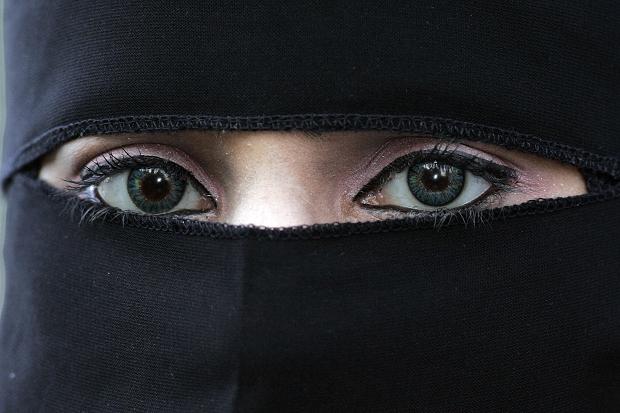
The applicant, who is a practising Muslim, states that she wears the burka in order to live according to her faith, her culture and her personal convictions. She specifies that it is a garment that covers the entire body and includes both a thin veil covering the face and the niqab, a veil covering the entire face except the eyes. She points out that neither her husband nor any other member of her family puts pressure on her to wear the burka. She adds that she wears the niqab in public and in private, but not systematically. She agrees not to wear the niqab in some circumstances but wants to be able to wear it when she chooses to. Her purpose, she states, is not to inconvenience others but to live according to her principles.

Complaints and Procedure

Relying on Article 3 (prohibition of torture and inhuman and degrading treatment), the applicant complains that as it is forbidden, on pain of a criminal penalty, to wear a garment designed to conceal the face in public places she risks incurring a criminal penalty, and suffering harassment and discrimination, if she wears the burka in public.

Relying on Article 8 (right to respect for private and family life), she complains that the statutory prohibition on wearing a garment designed to conceal the face in public places prevents her from dressing as she chooses in public.

Relying on Article 9, she complains of a violation of her right to freedom of thought, conscience and religion, as a result of the same circumstances. In her view, her inability to wear the full veil in public places is incompatible with the freedom to manifest her religion or belief individually or collectively, in public or in private, in worship, teaching, practice and observance.

Relying on Article 10, she complains of a violation of her right to freedom of expression, as a result of the same circumstances. She also complains that she is unable to wear in public a garment expressing her faith and religious, cultural and personal identity.

Relying on Article 11, she complains of a violation of her right to freedom of assembly and association, as a result of the same circumstances and of the fact that she is prevented from assembling with others in public wearing the full veil.

Relying on Article 14 (prohibition of discrimination), she complains that the statutory prohibition on wearing a garment designed to conceal the face in public places gives rise to discrimination based on sex, religion and ethnic origin to the detriment of women who, like her, wear the full veil.

The application was lodged with the European Court or Human Rights on 11 April 2011.

It was communicated to the French authorities, with questions by the Court, on 1 February 2012.


Source: European Court of Human Rights (Registrar of the Court)


sábado, 1 de junho de 2013

Conselho da Europa aprova Resolução sobre liberdade religiosa

Com a Resolução 1928, de abril de 2013, o Conselho da Europa, organismo internacional integrado por 47 Estados e que representa mais de 800 milhões de pessoas, assegura a proteção dos direitos humanos em relação à religião e das comunidades religiosas contra violência.

Leia aqui esta e outras resoluções e recomendações sobre liberdade religiosa do Conselho da Europa.


Resolution 1928 (2013) Provisional version - Safeguarding human rights in relation to religion and belief and protecting religious communities from violence

Author(s): Parliamentary Assembly - Council of Europe

1. The Parliamentary Assembly is concerned about the increasing occurrence of violent attacks against religious communities and individuals throughout the world on the basis of their religion or beliefs. It notes that there is not only physical, but also psychological violence against persons because of their religion or beliefs and it condemns such violence in unequivocal terms.

2. The Assembly recalls that freedom of thought, conscience and religion are universal human rights enshrined in Article 9 of the European Convention on Human Rights (ETS No. 5) and Article 18 of the Universal Declaration of Human Rights, which every member State of the United Nations has committed to uphold: “Everyone has the right to freedom of thought, conscience and religion; this right includes freedom to change his religion or belief, and freedom, either alone or in community with others and in public or private, to manifest his religion or belief, in teaching, practice, worship and observance.

3. The Assembly also wishes to draw attention to Article 18 of the 1966 International Covenant on Civil and Political Rights and to the 1981 United Nations Declaration on the Elimination of All Forms of Intolerance and of Discrimination Based on Religion and Belief; moreover, it reaffirms the utmost importance of the autonomy of religious communities and of their separation from the State, as well as of the neutrality and impartiality of the State on religious matters.

4. The Assembly has consistently drawn attention to the importance of upholding freedom of conscience and of religion, which can only be subject to the limitations that are necessary in a democratic society. The following texts are relevant in this context: Recommendation 1162 (1991) on the contribution of the Islamic civilisation to European culture; Recommendation 1396 (1999) on religion and democracy; Recommendation 1720 (2005) on education and religion; Resolution 1464 (2005) on women and religion in Europe; Resolution 1510 (2006) on freedom of expression and respect for religious beliefs; Recommendation 1804 (2007) on State, religion, secularity and human rights; Resolution 1535 (2007) on threats to the lives and freedom of expression of journalists; Resolution 1580 (2007) on the dangers of creationism in education; Resolution 1605 (2008) and Recommendation 1831 (2008) on European Muslim communities confronted with extremism; Recommendation 1805 (2007) on blasphemy, religious insults and hate speech against persons on grounds of their religion; Resolution 1743 (2010) and Recommendation 1927 (2010) on Islam, Islamism and Islamophobia in Europe; and Recommendation 1957 (2011) on violence against Christians in the Middle East.

5. It recalls, in particular, Resolution 1510 (2006) on freedom of expression and respect for religious beliefs, in which it stated that “freedom of expression as protected under Article 10 of the European Convention on Human Rights should not be further restricted to meet increasing sensitivities of certain religious groups”. It emphasises that, as a general rule, freedom of expression should not be restricted to meet the sensitivities of any group in a democratic society.

6. The Assembly condemns any instances of negative stereotyping of persons based on religion as well as the advocacy of religious hatred that constitutes incitement to discrimination, hostility or violence.

7. The Assembly also wishes to insist on the need to combat all forms of religious fundamentalism and of manipulation of religious beliefs for terrorist purposes. Education and dialogue are two important tools that can contribute towards the prevention of such negative and dangerous trends.

8. While it is generally accepted that religious communities are better protected in Europe than in Africa, Asia and the Middle East, there are still problems being reported in Council of Europe member States. In some member States in particular, recent constitutional reforms raise serious concerns with regard to their compatibility with Article 9 of the European Convention on Human Rights. The Assembly accepts that, if we are to be credible in our representations to non-member countries, such problems must be recognised, confronted and eliminated.

9. The Assembly therefore calls on member States to:

9.1. ensure equality of treatment before the State and public authorities of all individuals and communities regardless of religion, faith or non-religious beliefs;

9.2. reaffirm that respect of human rights, democracy and civil liberties is a common basis on which they build their relations with third countries, and ensure that a democracy clause, incorporating religious freedom, is included in agreements between them and third countries;

9.3. take account of the situation of religious communities in their bilateral political dialogue with the countries concerned, in particular those countries in which blasphemy laws are in force;

9.4. reaffirm that freedom of religion, conscience and belief is an essential part of the European human rights system guaranteed by the European Convention on Human Rights;

9.5. comply with their commitments and obligations to guarantee the full enjoyment of this fundamental right;

9.6. note the particular status of women and girls in many traditional religious settings, to protect women and girls and to ensure that religion can never be invoked to justify violence against women, such as honour killings, bride burning, forced marriages, female genital mutilation, even by members of their own religious communities;

9.7. promote, both at national and Committee of Ministers level, a policy which takes into consideration, in foreign relations, the question of the full respect for, and the effective protection of, the fundamental rights of minorities defined by their religion or beliefs;

9.8. ensure that the religious beliefs and traditions of individuals and communities of the society are respected, while guaranteeing that a due balance is struck with the rights of others in accordance with the case law of the European Court of Human Rights;

9.9. accommodate religious beliefs in the public sphere by guaranteeing freedom of thought in relation to health care, education and the civil service provided that the rights of others to be free from discrimination are respected and that the access to lawful services is guaranteed;

9.10. ensure the right to well-defined conscientious objection in relation to morally sensitive matters, such as military service or other services related to health-care and education, in line also with various recommendations already adopted by the Assembly, provided that the rights of others to be free from discrimination are respected and that the access to lawful services is guaranteed;

9.11. while guaranteeing the fundamental right of children to education in an objective, critical and pluralistic manner, respect the right of parents to ensure such education and teaching in conformity with their own religious and philosophical convictions;

9.12. change their legal regulations whenever these go against the freedom of association for groups(including churches) defined by their religion or beliefs;

9.13. ensure the full respect of Article 9 of the European Convention on Human Rights and relevant jurisprudence by the European Court of Human Rights since 1949 and that the freedom of communities and individuals defined by religion or belief is respected and exercised within the limits of the law;

9.14. recognise the need to provide international protection for those seeking asylum due to religious persecution;

9.15. duly take into account the possible overlap between racism, xenophobia and religious hatred, keeping in mind that these phenomena are often directed against migrant communities.

10. The Assembly further urges those non-member States which have the status of partner for democracy, to move steadily towards acceptance of the above principles and values and resolves to monitor their compliance.

11. The Assembly further urges all States in which violence against communities and individuals defined by religion or beliefs has occurred to:

11.1. unequivocally condemn not only attacks on innocent people, but also the use of violence in general, as well as all forms of discrimination and intolerance, including hate speech, based on religion and beliefs;

11.2. pursue and reinforce their efforts to combat and prevent such cases and bring to justice the perpetrators;

11.3. promote correct and objective education about religions and non-religious beliefs, including those of minorities;

11.4. actively support initiatives aimed at promoting the inter-religious and intercultural dimension of dialogue;

11.5. ensure the effective protection of communities and individuals defined by religion or beliefs and of their meeting places and places of worship, including those of minorities;

11.6. respect and protect the cultural heritage of the various religions.

12. The Assembly calls on all religious leaders in Europe to condemn attacks on religious communities and other faith groups, and to accept the principle of equal respect for all human beings regardless of their religion.

13. The Council of Europe urges member States where the restitution of church property is not yet concluded, to speed up this process and finish it in the short or medium term. The process should not be negatively affected or influenced by any political ideology or government.

14. Finally, the Assembly calls on the European Union, in its political dialogue with non-member countries, to enhance its monitoring of the situation of communities and individuals defined by religion or beliefs.


Recommendation 1518 (2001) - Exercise of the right of conscientious objection to military service in Council of Europe member states

Author(s): Parliamentary Assembly - Council of Europe

The Assembly recalls its Resolution 337 (1967) on the right of conscientious objection and Recommendation 816 (1977) on the right of conscientious objection to military service, and also Recommendation No. R (87) 8 of the Committee of Ministers regarding conscientious objection to compulsory military service. It notes that the exercise of the right of conscientious objection to military service has been an ongoing concern of the Council of Europe for over thirty years.

The right of conscientious objection is a fundamental aspect of the right to freedom of thought, conscience and religion enshrined in the Universal Declaration of Human Rights and the European Convention on Human Rights.

Most Council of Europe member states have introduced the right of conscientious objection into their constitutions or legislation. There are only five member states where this right is not recognised.

The position of conscientious objectors still differs considerably from one country to another, and differences in the law unfortunately result in varying levels of protection. The situation of conscientious objectors is therefore wholly unsatisfactory in member states that have recognised the right of conscientious objection.

The Assembly accordingly recommends that the Committee of Ministers invite those member states that have not yet done so to introduce into their legislation:

- the right to be registered as a conscientious objector at any time: before, during or after conscription, or performance of military service;

- the right for permanent members of the armed forces to apply for the granting of conscientious objector status;

- the right for all conscripts to receive information on conscientious objector status and the means of obtaining it;

- genuine alternative service of a clearly civilian nature, which should be neither deterrent nor punitive in character.

The Assembly also recommends that the Committee of Ministers incorporate the right of conscientious objection to military service into the European Convention on Human Rights by means of an additional protocol amending Articles 4.3.b and 9.

Recommendation 1957 (2011) - Violence against Christians in the Middle East

Author(s): Parliamentary Assembly - Council of Europe

Origin: Assembly debate on 27 January 2011 (7th Sitting) (see Doc. 12493, report of the Political Affairs Committee, rapporteur: Mr Volontè). Text adopted by the Assembly on 27 January 2011 (7th Sitting).

Eurovoc: RELIGIOUS DISCRIMINATION, FREEDOM OF RELIGIOUS BELIEFS, MIDDLE EAST, CULTURAL PLURALISM, CHRISTIAN, RELIGIOUS FUNDAMENTALISM.

1.    The Parliamentary Assembly recalls that Christianity had its beginnings in the Middle East two thousand years ago and that Christian communities have existed in the area since that time.

2.    These communities, which are made up of autochthonous people, have been declining in numbers for the last hundred years, mainly due to a combination of low birth rates and emigration, which, in some places, have been fuelled by discrimination and persecution.

3.    The situation has become more serious since the beginning of the 21st century and, if not properly addressed, could lead to the disappearance – in the short term – of Christian communities from the Middle East, which would entail the loss of a significant part of the religious heritage of the countries concerned.

4.    The number of attacks on Christian communities rose worldwide in 2010, as well as the number of trials and death sentences for blasphemy, which often affect women (as in the case of Mrs Asia Bibi in Pakistan).

5.    Relations between Christian communities in the Middle East and the Muslim majorities have not always been easy. Discrimination is reported throughout the region and extreme violence has occurred sporadically in several countries. Public authorities in some Muslim countries have not always conveyed the right signals about religious communities established in their respective countries.

6.    Two recent events were particularly tragic. On 31 October 2010, hostages were taken in the Syriac Catholic Cathedral of Our Lady of Salvation in Baghdad and ended in the massacre of worshippers: 58 died and 75 were wounded. A suicide bombing in a Coptic church in Alexandria killed 21 people and wounded 79 as worshippers were leaving midnight Mass on 1 January 2011.

7.    The Assembly condemns these attacks in unequivocal terms and expresses its sincere condolences to the families of the victims, its sympathy to the wounded and its solidarity with their families.

8.    It recalls that freedom of thought, freedom of conscience and freedom of religion, including the freedom to change one’s religion, are universal human rights, enshrined in Article 18 of the Universal Declaration of Human Rights, which every member state of the United Nations has committed to guarantee. It wishes also to draw attention to Article 18 of the 1966 International Covenant on Civil and Political Rights, to the 1981 United Nations Declaration on the Elimination of All Forms of Intolerance and of Discrimination Based on Religion and Belief, to the reports of the United Nations Special Rapporteur on freedom of religion or belief, and in particular the reports of 21 December 2009, 16 February 2010 and 29 July 2010, to Article 9 of the European Convention on Human Rights (ETS No. 5) and to Article 10 of the Charter of Fundamental Rights of the European Union.

9.    The coexistence of religious groups is a sign of pluralism and of an environment favourable to the development of democracy and human rights. The Assembly is convinced that the loss of Christian communities in the Middle East would also endanger Islam as it would signal the victory of fundamentalism.

10.    It wishes to raise awareness about the need to combat all forms of religious fundamentalism and the manipulation of religious beliefs for political reasons, which are so often the cause of present day terrorism. Education and dialogue are two important tools that could contribute towards the prevention of such evils.

11.    In the light of the increasing necessity to analyse and understand the evolution of cultural and religious developments in international relations and contemporary societies, the Assembly recommends that the Committee of the Ministers:

11.1.    develop a permanent capacity – in co-operation with the Commissioner for Human Rights and the Directorate General of Human Rights and Legal Affairs – to monitor the situation of governmental and societal restrictions on religious freedom and related rights in Council of Europe member states and in states in the Middle East, and report periodically to the Assembly;
11.2.    develop, as a matter of urgency, a Council of Europe strategy to ensure respect for freedom of religion (including the freedom to change one’s religion) as a human right, including a list of measures against states which knowingly fail to protect religious denominations;
11.3.    pay increased attention to the subject of freedom of religion or belief and to the situation of religious communities, including Christians, in its co-operation with third countries, as well as in human rights reports.
12.    The Assembly calls on member states to:

12.1.    reaffirm that the development of human rights, democracy and civil liberties is the common basis on which they build their relations with third countries and ensure that a “democracy clause” is included in the agreements between them and third countries;
13.    Following the adoption by the European Parliament of a resolution on the situation of Christians in the context of freedom of religion, on 20 January 2011, the Assembly calls on Turkey to clarify fully the circumstances surrounding the interruption of the celebration of Christmas Mass in the villages of Rizokarpaso and Ayia Triada in the northern part of Cyprus on 25 December 2010 and to bring those responsible to justice.

14.    The Assembly urges Iraq and Egypt to be transparent and determined in their attempts to bring the culprits of the attacks in Baghdad and in Alexandria to justice as rapidly as possible.

15.    The Assembly further urges all states in the Middle East to:

15.1.    condemn unequivocally not only deadly attacks on innocent people but also the use of violence in general, as well as all forms of discrimination and intolerance based on religion and beliefs;
15.2.    promote positive education about religions, including Christian minorities;
15.3.    support actively initiatives aimed at promoting the inter-religious dimension of dialogue.
16.    The Assembly calls on all religious leaders in Europe to condemn attacks on Christian communities and other faith groups, and to accept the basis of equal respect for each denomination.

17.    Finally, the Assembly calls on the European Union to enhance its monitoring of the situation of Christian and other religious communities in its political dialogue with the countries of the Middle East and to link its European Neighbourhood Policy, including financial aid, to the degree of human rights protection and awareness in those countries.

12.2. take account of the situation of Christian and other religious communities in their bilateral political dialogue with the countries concerned;
12.3. promote a policy, at national and Committee of Ministers’ level, which integrates the question of the respect for the fundamental rights of Christian minorities in foreign relations;
12.4. produce, promote and distribute educational materials addressing anti-Christian stereotypes and bias, as well as Christianophobia in general;
1.    12.5. refrain from encouraging the members of the Christian communities in the Middle East to seek refuge in Europe, except in cases where the survival of such communities becomes impossible; in the latter cases, member states should take fully into account the recommendations of the United Nations High Commissioner for Refugees in dealing with asylum and return issues and fully comply with European Court of Human Rights judgments and interim measures under Rule 39 of the Rules of Court;
2.    12.6. develop a comprehensive policy on asylum based on religious grounds, which would acknowledge in particular the specific situation of those who convert to another religion;
3.    12.7. promote policies to help relocate Christian refugees in their home countries and to support communities offering a local refuge to the Christian minorities of the Middle East;
4.    12.8. support initiatives aimed at promoting dialogue among religious communities in the Middle East;
5.    12.9. promote and facilitate relations between the Christian diasporas and their original communities.

Recommendation 1927 (2010) - Islam, Islamism and Islamophobia in Europe

Author(s): Parliamentary Assembly - Council of Europe

Origin: Assembly debate on 23 June 2010 (23rd Sitting) (see Doc. 12266, report of the Committee on Culture, Science and Education, rapporteur: Mr Mogens Jensen; Doc. 12303, opinion of the Political Affairs Committee, rapporteur: Mr Hancock; Doc. 12305, opinion of the Committee on Legal Affairs and Human Rights, rapporteur: Mr Rafael Huseynov; and Doc. 12304, opinion of the Committee on Equal Opportunities for Women and Men, rapporteur: Mrs Memecan). Text adopted unanimously by the Assembly on 23 June 2010 (23rd Sitting).

Eurovoc: DEMOCRACY, RELIGIOUS DISCRIMINATION, HUMAN RIGHTS, EUROPE, ISLAM, RULE OF LAW, MUSLIM.

1.    Referring to its Resolution 1743 (2010) on Islam, Islamism and Islamophobia in Europe, the Parliamentary Assembly emphasises the particular importance for the Council of Europe and its member states of increasing their action in this field. Under its Statute, it is a priority task for the Council of Europe to work towards ensuring freedom of thought, conscience and religion while combating religious intolerance and discrimination as well as religiously disguised attacks against the values it upholds. Member states should be guided by this recommendation and Resolution 1743 (2010).

2.    In order to construct on a daily basis a democratic society governed by the rule of law and universal human rights, the Council of Europe must step up its efforts to embed those values in European culture. Cultural and educational action by the Council of Europe is a necessary condition for both European integration based on common values and full understanding and respect for human rights, including political, social and cultural rights and freedoms. The Council of Europe should also seek to encourage other parts of the world to adopt and promote the values it upholds.

3.    Because of its Statute, geographical remit and experience, the Council of Europe should serve as the pan-European forum for discussing common strategies for strengthening democratic stability faced with Islamism, Islamophobia and other forms of political extremism in Europe. Therefore, the Assembly asks that the Committee of Ministers:

3.1.    ensure, through the general budget and voluntary contributions, that adequate funding is available for standard-setting and assistance and co-operation activities for member states and neighbouring regions in the fields of culture and education as well as migration and refugees;
3.2.    reinforce its activities to ensure that knowledge about Islam and other beliefs is taught at school and through lifelong education and that institutions of higher education and research in Europe provide Islamic studies in order to educate religious scholars, teachers and leaders;
3.3.    seek to enlarge geographically the Council of Europe treaties in the field of culture and education by opening them for signature by non-member states, in particular states from Eurasia, North Africa and the Middle East; this is particularly important with regard to the Convention on the Recognition of Qualifications concerning Higher Education in the European Region (ETS No. 165), the Council of Europe Framework Convention on the Value of Cultural Heritage for Society (CETS No. 199) and the European Convention on Transfrontier Television (ETS No. 132) and its Amending Protocol (ETS No. 171);
3.4.    study the possibility of opening the geographical scope of the European Cultural Convention (ETS No. 18) to non-European states, for instance by drafting a protocol on education for human rights and democracy to this convention;
3.5.    actively seek accession by states in North Africa and the Middle East to the Council of Europe’s European Centre for Global Interdependence and Solidarity (North-South Centre) and, in particular, reinforce the programmes dealing with gender equality, specifically the combating of all forms of violence against women and the promotion of women’s participation in public decision making. In this context, the Assembly welcomes the accession of Morocco and Cape Verde to the North-South Centre;
3.6.    consider opening the European Commission against Racism and Intolerance (ECRI) to participation by non-member states, in particular from North Africa, the Middle East and Eurasia;
3.7.    consider opening the European Outline Convention on Transfrontier Co-operation between Territorial Communities or Authorities (ETS No. 106) for signature by non-member states, in particular from North Africa, the Middle East and Eurasia;
3.8.    set up joint programmes of activities of the Council of Europe with the United Nations Alliance of Civilizations;
3.9.    continue its important action on intercultural dialogue and its religious dimension, in particular its regular “exchanges on the religious dimension of intercultural dialogue”, and further the involvement of the Assembly in order to enhance the role of interparliamentary co-operation in this process;
3.10.    call on member states which have not already done so to sign and ratify the European Convention on the Legal Status of Migrant Workers (ETS No. 93) and the Convention on the Participation of Foreigners in Public Life at Local Level (ETS No. 144); the social and political inclusion of migrants and foreigners, who are often Muslims, will be essential for democratic cohesion and stability;
3.11.    seek to develop common political approaches by all member states towards non-European states which support Islamism in Europe and call, in this context, on member states which have not yet done so to sign and ratify the European Convention on the Suppression of Terrorism (ETS No. 90) and its Amending Protocol (ETS No. 190) and the Council of Europe Convention on the Prevention of Terrorism (CETS No. 196) in order to strengthen political and legal co-operation in this area;
3.12.    call on Switzerland to enact a moratorium on, and to repeal as soon as possible, its general prohibition on the construction of minarets for mosques, which discriminates against Muslim communities under Articles 9 and 14 of the European Convention on Human Rights (ETS No. 5); the construction of minarets must be possible in the same way as the construction of church towers, subject to the requirements of public security and town planning;
3.13.    call on member states not to establish a general ban of full veiling or other religious or special clothing, but to protect women from all physical and psychological duress as well as to protect their free choice to wear religious or special clothing and ensure equal opportunities for Muslim women to participate in public life and pursue education and professional activities; legal restrictions on this freedom may be justified where necessary in a democratic society, in particular for security purposes or where public or professional functions of individuals require their religious neutrality or that their face can be seen;
3.14.    step up efforts to ensure that a convention to combat violence against women, including domestic violence, comes into being as swiftly as possible;
3.15.    invite states to guarantee women’s freedom of expression by penalising, on the one hand, all forms of coercion, oppression or violence that compel women to wear the veil or the full veil, and by creating, on the other hand, social and economic conditions enabling women to make informed choices though the promotion of genuine policies on equal opportunities for women and men which embody access to education, training, employment and housing.

Resolution 1743 (2010) - Islam, Islamism and Islamophobia in Europe

Author(s): Parliamentary Assembly - Council of Europe

Origin: Assembly debate on 23 June 2010 (23rd Sitting) (see Doc. 12266, report of the Committee on Culture, Science and Education, rapporteur: Mr Mogens Jensen; Doc. 12303, opinion of the Political Affairs Committee, rapporteur: Mr Hancock; Doc. 12305, opinion of the Committee on Legal Affairs and Human Rights, rapporteur: Mr Rafael Huseynov; and Doc. 12304, opinion of the Committee on Equal Opportunities for Women and Men, rapporteur: Mrs Memecan). Text adopted unanimously by the Assembly on 23 June 2010 (23rd Sitting). See also Recommendation 1927 (2010).

Eurovoc: DEMOCRACY, RELIGIOUS DISCRIMINATION, HUMAN RIGHTS, EUROPE, ISLAM, RULE OF LAW, MUSLIM.

1.    The Parliamentary Assembly notes that Islamic radicalism and manipulation of religious beliefs for political reasons oppose human rights and democratic values. At the same time, in many Council of Europe member states, Muslims feel socially excluded, stigmatised and discriminated against; they become victims of stereotypes, social marginalisation and political extremism. The Assembly is deeply concerned about Islamic extremism as well as about extremism against Muslim communities in Europe. Both phenomena reinforce each other.

2.    The Assembly recalls that Islamism is the view that Islam is not only a religion but also a social, legal and political code of conduct. Islamism can be violent or mainstream and peaceful, but in both cases it does not accept the separation between religion and state, which is a fundamental principle of democratic and pluralistic societies. The Assembly also recalls that discrimination against Muslims is unacceptable and must be combated. A great majority of European Muslims share the principles at the basis of our societies and it is essential to fight against Islamophobia, which stems mainly from lack of awareness and from negative perceptions associating Islam with violence. Failing to address these issues, many European governments pave the way to the rise of extremism.

3.    Muslims are at home in Europe where they have been present for many centuries, as the Assembly noted in its Recommendation 1162 (1991) on the contribution of the Islamic civilisation to European culture. Islam, Judaism and Christianity – the three monotheist religions – share the same historic and cultural roots and recognise the same fundamental values, in particular the paramount value of human life and dignity, the ability and freedom to express thoughts, the respect for others and their property, and the importance of social welfare. Those values have been reflected by European philosophies and have been included in the European Convention on Human Rights (“the Convention”; ETS No. 5).

4.    Article 9 of the Convention guarantees freedom of thought, conscience and religion, including the right to manifest one’s religion or belief, either alone or in community with others, in public or in private, in worship, teaching, practice and observance. Article 10 of the Convention enshrines freedom of expression, including the right to express religious or philosophical views or oppose and criticise them. Both freedoms constitute the necessary requirements for a democratic society. However, they are not absolute and may be subject to limits imposed under strict control. Moreover, in accordance with Article 17 of the Convention, they must not be abused for the destruction or undue limitation of any of the rights and freedoms set forth in the Convention.

5.    The Assembly has already stressed the importance of reconciling these two freedoms in its Resolution 1510 (2006) on freedom of expression and respect for religious beliefs, as well as its Recommendation 1805 (2007) on blasphemy, religious insults and hate speech against persons on grounds of their religion. The Assembly firmly condemns death decrees and threats against people who criticise Islam or political views linked to Islam. It regrets, however, the initiatives taken by a number of United Nations member states that have resulted in the Human Rights Council adopting resolutions on action against defamation of religions, and in particular Islam, as this strategy constitutes a threat to freedom of expression.

6.    Recalling its Recommendation 1804 (2007) on state, religion, secularity and human rights, the Assembly emphasises that democratic standards require a separation of the state and its organs from religions and religious organisations. Governments, parliaments and public administrations that democratically reflect and serve their society as a whole must be neutral towards all religious, agnostic or atheist beliefs. Nevertheless, religion and democracy are not incompatible, in particular as religions may play a beneficial social role. Member states should therefore encourage religious organisations to support actively peace, tolerance, solidarity and intercultural dialogue.

7.    The Assembly notes with concern, however, that some Islamic organisations active in member states have been initiated by governments abroad and receive financial support and political guidance from those governments. The objectives of such organisations are hence not religious. National political expansion into other states under the disguise of Islam should be brought to light. In keeping with Article 11 of the Convention, member states can limit the activities of such organisations on condition that such limitations satisfy the requirements set forth in paragraph 2 of Article 11. Therefore, member states should require transparency and accountability of Islamic as well as other religious associations, for instance by requiring transparency of their statutory objectives, leadership, membership and financial resources.

8.    As the Assembly indicated in its Recommendation 1774 (2006) on the Turkish presence in Europe: migrant workers and new European citizens, member governments and parliaments as well as the Council of Europe must give priority to fostering the social inclusion of Muslims and other religious minorities. The many efforts undertaken by member states to better integrate migrants are to be commended, but this integration is often still far from reality, in particular with regard to Muslim migrants. Thus, the Assembly invites member states to be proactive in dealing with social, economic and political inequalities.

9.    The Assembly calls on member states to effectively address the social and economic exclusion of Muslims and other minorities in Europe – including through the adoption, implementation and regular monitoring of comprehensive anti-discrimination legislation, policies and practices to protect them from the day-to-day discrimination they face and to ensure better access to legal remedies when their rights have been violated.

10.    While organisational structures of Muslim communities in member states are desirable in order to facilitate contacts with governmental and administrative bodies, member governments and parliaments should also seek to establish direct political contacts with Muslims as equal citizens. Such direct contacts could be facilitated, for example, through public hearings at local and regional levels as well as through regional and national discussion platforms on the Internet. Referring to Recommendation 170 (2005) of the Congress of Local and Regional Authorities of the Council of Europe on intercultural and inter-faith dialogue: initiatives and responsibilities of local authorities, the Assembly calls on national parliaments to ensure that local authorities in their countries have the necessary legal, administrative and financial frameworks for local activities intended to foster social inclusion and intercultural dialogue.

11.    It is necessary that persons belonging to a minority culture in their country do not isolate themselves and do not attempt to develop a parallel society. Thus the Assembly calls on the representatives of the Muslim communities to encourage intercultural dialogue and fight against divisions which would otherwise lead to societal frictions and conflicts. Recalling its Resolution 1605 (2008) and Recommendation 1831 (2008) on European Muslim communities confronted with extremism, the Assembly invites Muslims, their religious communities and their religious leaders to combat any form of extremism under the cover of Islam. Islam is a religion which upholds peace. Muslims should be the first to react with dismay and opposition when terrorists or political extremists use Islam for their own power struggle and thus disrespect the fundamental value of human life and other values enshrined in Islam.

12.    The Assembly deplores that a growing number of political parties in Europe exploit and encourage fear of Islam and organise political campaigns which promote simplistic and negative stereotypes concerning Muslims in Europe and often equate Islam with extremism. It is inadmissible to incite intolerance and sometimes even hatred against Muslims. The Assembly calls on member states to pursue political action in accordance with General Policy Recommendation No. 5 (2000) of the European Commission against Racism and Intolerance (ECRI) on combating intolerance and discrimination against Muslims. It reiterates that it is for the member states to reject political statements that stir up fear and hatred of Muslims and Islam, while complying with the stipulations of the Convention, in particular Article 10.2.

13.    The Assembly also remains concerned at policies and practices – by both national as well as regional and local authorities – that discriminate against Muslims and at the danger of the abuse of popular votes, initiatives and referenda to legitimise restrictions on the rights to freedom of religion and expression which are unacceptable under Articles 9 and 10 of the Convention. In this context, the Assembly is particularly concerned about the recent referendum in Switzerland and urges the Swiss authorities to enact a moratorium on and repeal as soon as possible, the general prohibition on the construction of minarets for mosques.

14.    Recalling its Resolution 1464 (2005) on women and religion in Europe, the Assembly calls on all Muslim communities to abandon any traditional interpretations of Islam which deny gender equality and limit women’s rights, both within the family and in public life. This interpretation is not compatible with human dignity and democratic standards; women are equal to men in all respects and must be treated accordingly, with no exceptions. Discrimination against women, whether based on religious traditions or not, goes against Articles 8, 9 and 14 of the Convention, Article 5 of its Protocol No. 7 and its Protocol No. 12. No religious or cultural relativism may be invoked to justify violations of personal integrity. The Parliamentary Assembly therefore urges member states to take all necessary measures to stamp out radical Islamism and Islamophobia, of which women are the prime victims.

15.    In this respect, the veiling of women, especially full veiling through the burqa or the niqab, is often perceived as a symbol of the subjugation of women to men, restricting the role of women within society, limiting their professional life and impeding their social and economic activities. Neither the full veiling of women, nor even the headscarf, are recognised by all Muslims as a religious obligation of Islam, but they are seen by many as a social and cultural tradition. The Assembly considers that this tradition could be a threat to women’s dignity and freedom. No woman should be compelled to wear religious apparel by her community or family. Any act of oppression, sequestration or violence constitutes a crime that must be punished by law. Women victims of these crimes, whatever their status, must be protected by member states and benefit from support and rehabilitation measures.

16.    For this reason, the possibility of prohibiting the wearing of the burqa and the niqab is being considered by parliaments in several European countries. Article 9 of the Convention includes the right of individuals to choose freely to wear or not to wear religious clothing in private or in public. Legal restrictions to this freedom may be justified where necessary in a democratic society, in particular for security purposes or where public or professional functions of individuals require their religious neutrality or that their face can be seen. However, a general prohibition of wearing the burqa and the niqab would deny women who freely desire to do so their right to cover their face.

17.    In addition, a general prohibition might have the adverse effect of generating family and community pressure on Muslim women to stay at home and confine themselves to contacts with other women. Muslim women could be further excluded if they were to leave educational institutions, stay away from public places and abandon work outside their communities, in order not to break with their family tradition. Therefore, the Assembly calls on member states to develop targeted policies intended to raise Muslim women’s awareness of their rights, help them to take part in public life and offer them equal opportunities to pursue a professional life and gain social and economic independence. In this respect, the education of young Muslim women as well as of their parents and families is crucial. It is especially necessary to remove all forms of discrimination against girls and to develop education on gender equality, without stereotypes and at all levels of the education system.

18.    Female genital mutilation under the pretext of Islamic or other customs should be considered as a crime as it violates the right to physical and moral integrity of all individuals and especially of girls. Member states must do their utmost to put an end to this crime and provide practical help to children and their parents, including in particular through education. The Assembly recalls in this context its Resolution 1247 (2001) on female genital mutilation.

19.    The Assembly accordingly urges member states to take every step to prevent and combat all forms of oppression or violence undergone by women and, in particular, as part of the negotiations for the future Council of Europe convention on preventing and combating violence against women and domestic violence, to support the provisions enabling women irrespective of their origin or status to have access to protection, prevention and rehabilitation facilities.

20.    Stereotypes, misunderstandings and fears with regard to Islam are typical symptoms of a widespread lack of adequate knowledge among non-Muslims in Europe. Similarly, many Muslims in Europe lack adequate knowledge of Islam let alone other religions, which can make them vulnerable to “Islamism” as a religiously disguised form of political extremism. In this context, the Assembly recalls its Recommendation 1720 (2005) on education and religion and calls on member states to ensure that knowledge about Islam, Judaism and Christianity is taught at school and through lifelong education.

21.    Teaching about religions should be supported by member states, to raise public awareness of the common origin and values of Judaism, Christianity and Islam and their impact on modern European humanism. Institutions of higher education and research in Europe should provide Islamic studies in order to educate religious scholars, teachers and leaders and distinguish Islam from Islamism. The Assembly is confident that most European Muslims accept a common approach reconciling Islam with democratic values, human rights and the rule of law; indeed, many have done so for a long time.

22.    The Assembly also welcomes the White Paper on Intercultural Dialogue prepared by the Council of Europe during the European Year of Intercultural Dialogue in 2008 as well as other activities by the Committee of Ministers in this field. Member governments should use the White Paper in their related national action, including in schools and educational institutions.

23.    It is important to create synergies with other international organisations in this respect. Therefore, the Assembly invites the United Nations Alliance of Civilizations to co-operate more closely with the Council of Europe, in particular by setting up joint programmes of action. In this context, the Assembly invites the Secretary General of the Council of Europe to seek additional funding for such activities through member states and facilitate reciprocal secondment of staff between the two organisations.

24.    The Assembly invites the Islamic Educational, Scientific and Cultural Organization (ISESCO) and the Arab League Educational, Cultural and Scientific Organization (ALECSO) to work with the Council of Europe on combating Islamism and Islamophobia or other religious discrimination as well as on promoting the respect for universal human rights. ISESCO and ALESCO can be particularly important in ensuring that their members respect the International Covenant on Civil and Political Rights (ICCPR) and the International Covenant on Economic, Social and Cultural Rights (ICESCR) of the United Nations.

25.    In this context, the Assembly regrets that some member governments of ISESCO and ALECSO have adopted national legislation based on an interpretation of Sharia law or have pursued national policies which are in conflict with the ICCPR and the ICESCR: imposing severe penalties or even the death penalty on persons wishing to adopt a religion other than Islam is incompatible with Article 18 (2) ICCPR; imposing severe sanctions on, or passing public death decrees against, persons who have criticised Islam is incompatible with Article 19 of the ICCPR; calling for a “holy war” or violence against other countries or their citizens and glorifying terrorists as “holy martyrs” is incompatible with Article 20 (2) of the ICCPR; educating children to hate or fight persons of faiths other than Islam is incompatible with Article 13 (1) of the ICESCR.

26.    Contacts between Muslim and non-Muslim Europeans and Muslims in North Africa, the Middle East and Asia should be facilitated, in particular among young people, students and teachers. The Assembly invites, therefore, the European Youth Forum to expand its activities in this field. Co-operation between educational and cultural institutions as well as cities around the Mediterranean Basin should be supported, for instance in the framework of the Convention on the Recognition of Qualifications concerning Higher Education in the European Region (ETS No. 165) and the European Outline Convention on Transfrontier Co-operation between Territorial Communities or Authorities (CETS No. 106).

Recommendation 1831 (2008) - European Muslim communities confronted with extremism

Author(s): Parliamentary Assembly - Council of Europe

Origin: Assembly debate on 15 April 2008 (13th Sitting) (see Doc. 11540, report of the Political Affairs Committee, rapporteur: Mr João Bosco Mota Amaral; Doc. 11575, opinion of the Committee on Migration, Refugees and Population, rapporteur: Mr Hakki Keskin; Doc. 11570, opinion of the Committee on Culture, Science and Education, rapporteur: Mr Mehmet Tekelioğlu; and Doc. 11569, opinion of the Committee on Equal Opportunities for Women and Men, rapporteur: Mrs Gisela Wurm). Text adopted by the Assembly on 15 April 2008 (13th Sitting).

Eurovoc: RELIGIOUS DISCRIMINATION, RELIGION, EXTREMISM, MUSLIM.

1.    Referring to its Resolution 1605 (2008) on European Muslim communities confronted with extremism, the Parliamentary Assembly expresses its support to Council of Europe activities in the field of intercultural dialogue and its religious dimension, which make a remarkable contribution to the mutual understanding and peaceful coexistence of different groups in European societies. In this regard, the Assembly welcomes the forthcoming publication of a Council of Europe white paper on intercultural dialogue.

2.    In addition, being aware of the global dimension of the issues at stake, the Assembly welcomes the recent letter of intent concerning the co-operation between the Council of Europe and the United Nations Alliance of Civilizations, and encourages further co-operation and the organisation of joint initiatives.

3.    Furthermore, the Assembly recalls the activities of the European Commission against Racism and Intolerance (ECRI), and in particular its General Policy Recommendation No. 5 on combating intolerance and discrimination against Muslims (2000).

4.    In light of these considerations, the Assembly recommends the Committee of Ministers to:

4.1.    consider the activities in the field of intercultural dialogue and its religious dimension as a priority, and allocate appropriate resources for them so as to ensure that they are properly carried out and publicised;
4.2.    support and allocate appropriate resources for activities in the field of integration of immigrants and persons with an immigrant background, including specific activities for encouraging integration and tolerance among young people;
4.3.    further to the letter of intent signed by the Secretary General of the Council of Europe and the High Representative for the Alliance of Civilizations, support the conclusion of a memorandum of understanding between the Council of Europe and the Alliance of Civilizations;
4.4.    increase co-operation in the field of intercultural and inter-religious dialogue with the United Nations and its specialised agencies, the European Union, and in particular the institutions of the Barcelona Process, the Organization for Security and Co-operation in Europe (OSCE) and the Organisation of the Islamic Conference;
4.5.    invite ECRI and the Council of Europe Commissioner for Human Rights to conduct specific research on the situation of Muslim communities in Europe, including examples of good practice of co-operation between Muslim organisations and the authorities in combating extremism both within Muslim communities and originating from Muslim communities.

Resolution 1605 (2008) - European Muslim communities confronted with extremism

Author(s): Parliamentary Assembly - Council of Europe

Origin: Assembly debate on 15 April 2008 (13th Sitting) (see Doc. 11540, report of the Political Affairs Committee, rapporteur: Mr João Bosco Mota Amaral; Doc. 11575, opinion of the Committee on Migration, Refugees and Population, rapporteur: Mr Hakki Keskin; Doc. 11570, opinion of the Committee on Culture, Science and Education, rapporteur: Mr Mehmet Tekelioglu; and Doc. 11569, opinion of the Committee on Equal Opportunities for Women and Men, rapporteur: Mrs Gisela Wurm). Text adopted by the Assembly on 15 April 2008 (13th Sitting).

Eurovoc: RELIGIOUS DISCRIMINATION, RELIGION, EXTREMISM, MUSLIM.

1.    The attacks in Paris in 1995, New York in 2001, the subsequent spate of bombings which hit Madrid and Istanbul in 2003 and London in 2005, and the foiling of many other terrorist plots on European soil have shown the extent and gravity of the threat of terrorism from people who invoke Islamic fundamentalism as a source of inspiration. In addition to the shock caused by the attacks, it has been disconcerting for many to realise that some young Muslims who were born and brought up in Europe had been involved in their organisation and execution.

2.    The Parliamentary Assembly warns against any confusion between Islam as a faith and Islamic fundamentalism as an ideology. Islam is the second religion in Europe and a constituent component of European societies. In some Council of Europe member states, it is traditionally the religion professed by the majority of the population; in others, it is the religion of the majority of immigrants and of citizens with an immigrant background, who represent a growing proportion of the population. On the other hand, Islamic fundamentalism is an extremist ideology with a political agenda, which promotes a model of society which is not compatible with human rights values and standards of democracy, and which, in its worst form, calls for the use of violence to achieve its aims.

3.    It is regrettable but undeniable that, at the moment, Islamic fundamentalism as an ideology has proved to have a power of attraction for some individuals. European governments and European Muslim communities should work in close collaboration and synergy to neutralise this power of attraction and prevent it from escalating into terrorism.

4.    The Assembly congratulates those Muslim leaders, opinion-makers and organisations who have firmly and unequivocally condemned terrorism inspired by Islamic fundamentalism as well as other extremist manifestations, such as the hate speech employed by some official or self-appointed imams or other Muslim personalities. Similarly, the Assembly commends the efforts of Muslim organisations to highlight the compatibility between Islam as a religion and democratic and human rights values, as well as their work with groups that are more at risk of radicalisation, such as young people and prison detainees.

5.    In parallel to these efforts, European governments bear a special responsibility to address the root causes which create a fertile ground for extremism, such as poverty, discrimination and social exclusion; to ensure full respect for the freedoms of thought, speech and religion, as laid down in the European Convention on Human Rights (ETS No. 5); and to contribute to a climate in which all religious faiths, or the absence of any faith, are equally respected. In this regard, Council of Europe member states should continue to be vigilant in their work to prevent and combat the phenomenon of Islamophobia.

6.    Moreover, Council of Europe member states should take a range of positive steps to enable immigrants and citizens of immigrant descent, including Muslim communities, to integrate into society through non-discriminatory access to employment, education, vocational training, housing and public services. The engagement and active participation of immigrants and people with an immigrant background in society also need encouragement and support from the whole of society, which must do more to accommodate diversity and remove barriers to integration.

7.    Likewise, as already recommended by the Assembly, European governments, in their aim of creating a citizenship of inclusiveness and participation, should remedy the current limited capacity of immigrants and citizens from an immigrant background to play an active role in public and political life. In the long term, this state of affairs, which is due both to legislative and social constraints, cannot but reinforce the grievances and sense of injustice of a part of the population.

8.    The Assembly welcomes the initiative taken by the governments of two member states – Spain and Turkey – to create the United Nations Alliance of Civilizations and its endorsement by the United Nations Secretary-General, who has designated former Portuguese President Jorge Sampaio as its High Representative. The Assembly also expresses support for the activities so far undertaken in this context.

9.    In light of the above, the Assembly calls on the member states of the Council of Europe to:

9.1.    act strongly against discrimination in all areas;
9.2.    condemn and combat Islamophobia;
9.3.    act resolutely against hate speech and all other forms of behaviour which run counter to core human rights and democratic values, even when their authors seek to justify them on religious grounds;
9.4.    combat all forms of discrimination and violence (particularly forced marriages, sexual mutilation of women and so-called “honour crimes”) which, in the name of misinterpreted religious texts or customs, violate the fundamental rights of women and equality between women and men;
9.5.    combat all forms of cultural or religious relativism which justify discriminatory practices and human rights violations, particularly those directed at women or other groups in society;
9.6.    ensure the strictest compliance with human rights and the rule of law in the enforcement of antiterrorist measures;
9.7.    promote the social cohesion, integration, political and civic participation of immigrants and citizens with an immigrant background, both men and women, in particular by:
9.7.1.    taking a range of positive steps to enable immigrants and people with an immigrant background to integrate into society through fair and non-discriminatory access to employment, education, vocational training, housing in mixed areas and public services, and eventually via democratic participation through citizenship;
9.7.2.    developing specific activities to encourage integration and tolerance among young people;
9.7.3.    signing and ratifying the European Convention on the Legal Status of Migrant Workers (ETS No. 93);
9.7.4.    granting lawfully-residing immigrants the right to vote and to be elected, at least in local and regional elections, so as to have an impact on public administration and local government;
9.7.5.    signing and ratifying the Convention on the Participation of Foreigners in Public Life at Local Level (ETS No. 144);
9.7.6.    encouraging the participation of people with an immigrant background in political parties, trade unions and non-governmental organisations;
9.7.7.    taking all the necessary measures to eliminate the inequality of opportunity faced by immigrants, including unemployment and inadequate education;
9.7.8.    removing unnecessary legal or administrative obstacles to the construction of a sufficient number of appropriate places of worship for the practice of Islam;
9.7.9.    ensuring that school textbooks do not portray Islam as a hostile or threatening religion;
9.8.    promote and support activities intended to improve the standing and role of Muslim women in Europe and overcome stereotypes confining them to subordinate and passive roles, for example, through appropriate teaching in schools and awareness-raising campaigns in the media;
9.9.    monitor the role played by foreign states in the financing of mosques and appointment of imams, in order to ensure that these actions are not used to promote extremist views;
9.10.    support the establishment of courses, if possible at university level, to train imams locally;
9.11.    encourage a public and inclusive debate concerning the consequences of their foreign policy on the phenomenon of radicalisation;
9.12.    encourage informative projects about Islam’s contribution to western societies in order to overcome stereotypes on Islam.
10.    The Assembly calls on leaders and opinion-makers to act responsibly to avoid encouraging discrimination and Islamophobia.

11.    Furthermore, the Assembly calls on European Muslim organisations, leaders and opinion-makers to:

11.1.    act with a high sense of responsibility in their public statements and condemn terrorism and extremism unequivocally, being aware of their influence on Muslim communities;
11.2.    encourage Muslims to fully participate in society without questioning the secular character of the society and the institutions of the country where they live;
11.3.    formally endorse the European Convention on Human Rights;
11.4.    promote the transmission of core European values within Muslim communities, and among young people in particular, by highlighting their compatibility with the Muslim faith;
11.5.    ensure the teaching of core European values in Muslim faith schools;
11.6.    encourage young European Muslims to become imams;
11.7.    set up projects aimed at reducing the risk of radicalisation among the young generation and in prisons, if appropriate in co-operation with other organisations, or with local or other authorities;
11.8.    encourage the promotion of fair coverage of Muslim reality and views in the media and ensure that the voice of moderate Muslims is also reported;
11.9.    develop ethical guidelines to combat Islamophobia in the media and in favour of cultural tolerance and understanding, in co-operation with appropriate media organisations;
11.10.    encourage the development of a secular intelligentsia.